

As we move further into the twenty-first century, the field of drone piloting is developing at an extraordinary pace. Today, unmanned aerial vehicles are not merely devices or tools for hobbyists; they have become crucial assets in various industries, from land assessment and agriculture to photography and infrastructure inspection. With their varied applications, the demand for skilled drone pilots has grown, leading to an heightened focus on the regulations and best practices that oversee their operation.
In this challenging environment, understanding the technical and regulatory aspects is essential for any aspiring drone pilot or industry professional. Navigating the FAA Part 107 exemptions, mastering the intricacies of controlled airspace through the LAANC system, and understanding the implications of magnetic interference on drone performance are just a few of the challenges pilots face today. Moreover, as the technology continues to advance, the need for familiarity about different drone systems, effective operational strategies, and safety measures is crucial. This article will examine the future of drone piloting, highlighting key factors and insights that will help pilots thrive in this rapidly changing field.
Regulatory Challenges and Compliance in Unmanned Aerial Vehicle Operations
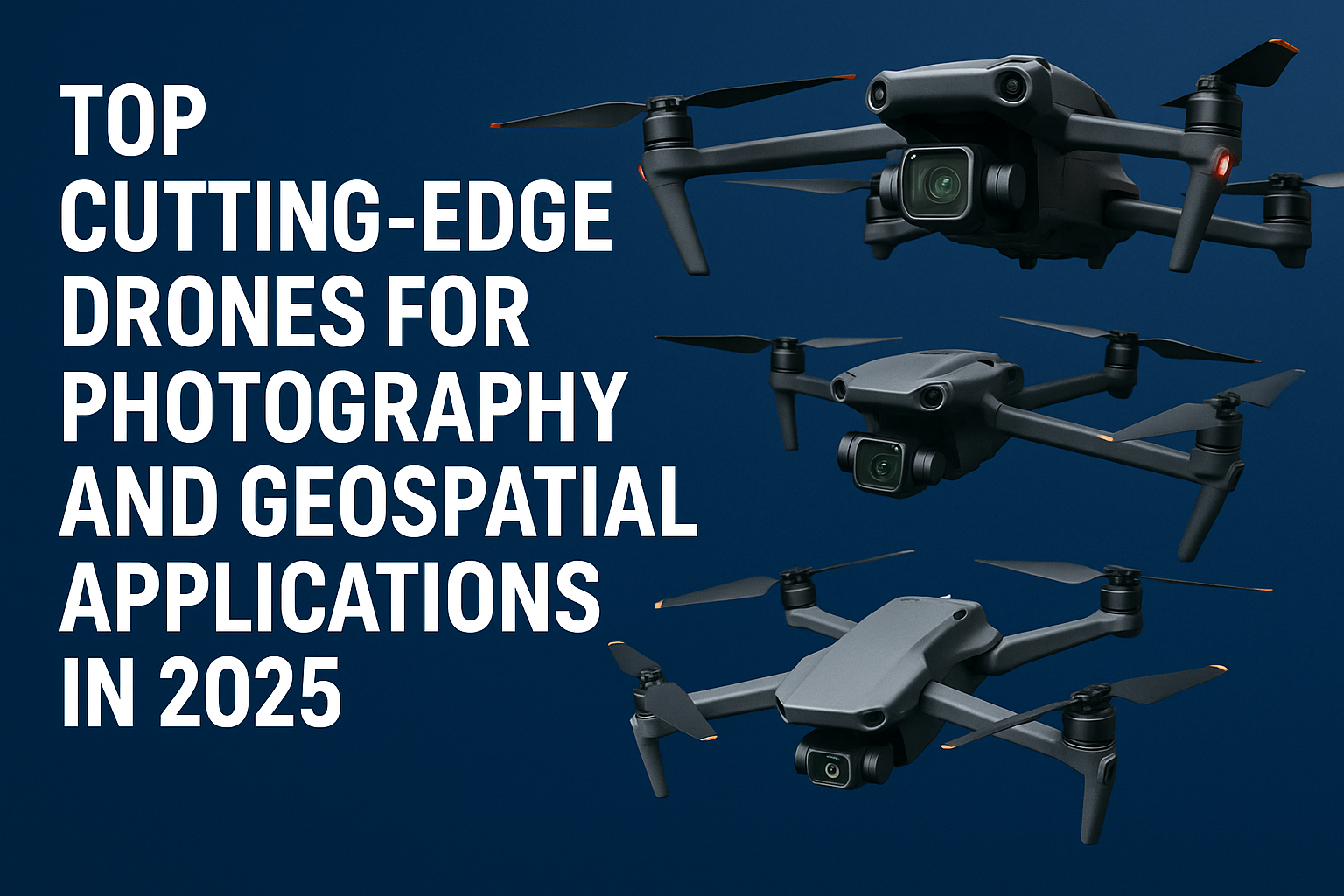
The realm of drone operations is heavily affected by regulatory structures established to ensure security and regulation in the skies. Among these, FAA Part 107 stands as a cornerstone, establishing the guidelines for professional UAV operators in the US. Navigating this challenging landscape can be challenging, particularly when seeking exemptions for night flying and flying over individuals. Understanding the necessities and having the correct records ready is essential for any operator aiming to perform advanced operations under this regulatory umbrella.
Another critical aspect of compliance involves handling airspace regulations, particularly in restricted zones. The Low Altitude Authorization and Notification Capability (LAANC) system offers an streamlined way for drone pilots to obtain the necessary authorizations. Familiarity with the required paperwork and processes involved can make or break a drone operation, especially in metropolitan regions where controlled airspace is prevalent. A smooth clearance procedure not only improves operational effectiveness but also helps ensure adherence to safety protocols.
Furthermore, maintaining compliance goes beyond initial authorizations; it extends into ongoing operational practices. Drone pilots must continually assess the technical components of their devices, such as the impact of magnetic interference on gyro and IMU settings. Regular inspections and understanding the technical intricacies of drones can prevent problems that could cause non-compliance. Regulatory adherence requires a proactive approach, ensuring that pilots are always in line with safety guidelines while performing their operations efficiently.
Strategic Information for Enhanced UAV Efficiency
Comprehending the principles of drone functioning is crucial for enhancing performance. Drone Pilots Barra Inverness-shire of the major factors influencing flight consistency is the ground support point density in mapping. By establishing the appropriate GCP density, operators can guarantee quality in capturing terrain features and characteristics, reducing errors in data acquisition. This necessitates a combination of altitude and the amount of GCPs used, which considerably impacts the outcome data caliber for surveys and cartography tasks.
Magnetic interference can also have a significant role in drone control and stability. It distinctly affects both the navigational system and the Inertial Measurement Unit (IMU) adjustments, possibly leading to flight issues if not managed effectively. Pilots should be knowledgeable in identifying signs of disruption and implementing calibration procedures to reduce its influence. This awareness is crucial, particularly when operating in areas with established magnetic disturbances.
In relation of imaging technology, the selection of mechanical and digital shutters can impact the results of drone surveying tasks. Mechanical shutters tend to provide better results in regards of motion smear and function well in high-speed environments, while electronic shutters deliver a silent performance and diminished weight. Recognizing the actual differences can help drone users determine the appropriate camera system for their specific imaging requirements, boosting the standard of the data gathered during operations.
Top Guidelines for Commercial Drone Flight Management
Formulating a thorough flight blueprint is crucial for effective drone flights. Begin by identifying your goals and the location of concern, ensuring compliance with airspace regulations. Using tools like LAANC for gaining access to restricted airspace can streamline this process greatly. Additionally, pre-flight inspections should cover both gear and software, verifying that all devices is functional and that the software is up-to-date. This not only enhances safety but also boosts the overall dependability of the flight.
Record-keeping is another critical aspect of professional drone flight management. Maintaining a thorough flight log designed for insurance audits is advisable, as it document key information about each flight, including weather conditions and equipment performance. This kind of documentation not only assists in claims claims but also provides valuable insights for subsequent flights. Regularly reviewing Drone Pilots Inverness Inverness-shire can help recognize trends in performance and point out areas for development, fostering a environment of continuous education and operational excellence.
Ultimately, it is important to emphasize safety and maintenance procedures. Routine inspections of gear, including power source health checks and gimbal maintenance, help mitigate accidents that could result in costly downtime. Understanding the effects of external conditions, such as air currents and temperature, on flight performance can guide pilots in making wise decisions regarding flight activities. By adhering to these best practices, drone pilots can enhance their effectiveness and minimize hazards, ultimately leading to positive and professional outcomes in their aerial activities.