

The increasing popularity of drone technology has spawned a thriving industry that needs highly qualified and accredited operators. Becoming a licensed drone pilot is not just about flying a highly sophisticated piece of machinery; it entails an appreciation of regulations, safety protocols, and the technical elements that ensure effective operations. As drones are employed across various sectors such as media, mapping, and security, prospective pilots must navigate a demanding path to certification that requires mastering a wide array of skills and knowledge.
In this write-up, we will explore the crucial steps and factors involved in achieving a certified drone pilot. From grasping the nuances of FAA Part 107 regulations to the details of caring for your equipment, each factor plays a significant role in ensuring safe and effective drone operations. We will explore notable topics such as how to obtain waivers for night flying and operations over people, the intricacies of airspace navigation, and how to anticipate commercial insurance audits. Whether you're a casual pilot looking to become professional or a experienced operator aiming to enhance your expertise, this resource will provide valuable insights to help you soar in the field of drone piloting.
Understanding FAA Guidelines for Unmanned Aircraft Operations
Grasping FAA regulations is vital for new drone pilots who aspire to operate their drones in a professional capacity. The government aviation authority has set forth rules under Title 14 CFR Part 107 that regulate the secure operation of miniature unmanned aircraft systems. These regulations address key aspects such as altitude limits, operational hours, and the obligation to maintain visual line of sight during flights. By thoroughly reviewing and adhering to these regulations, drone pilots can confirm compliance while maximizing the opportunities of their aerial missions.
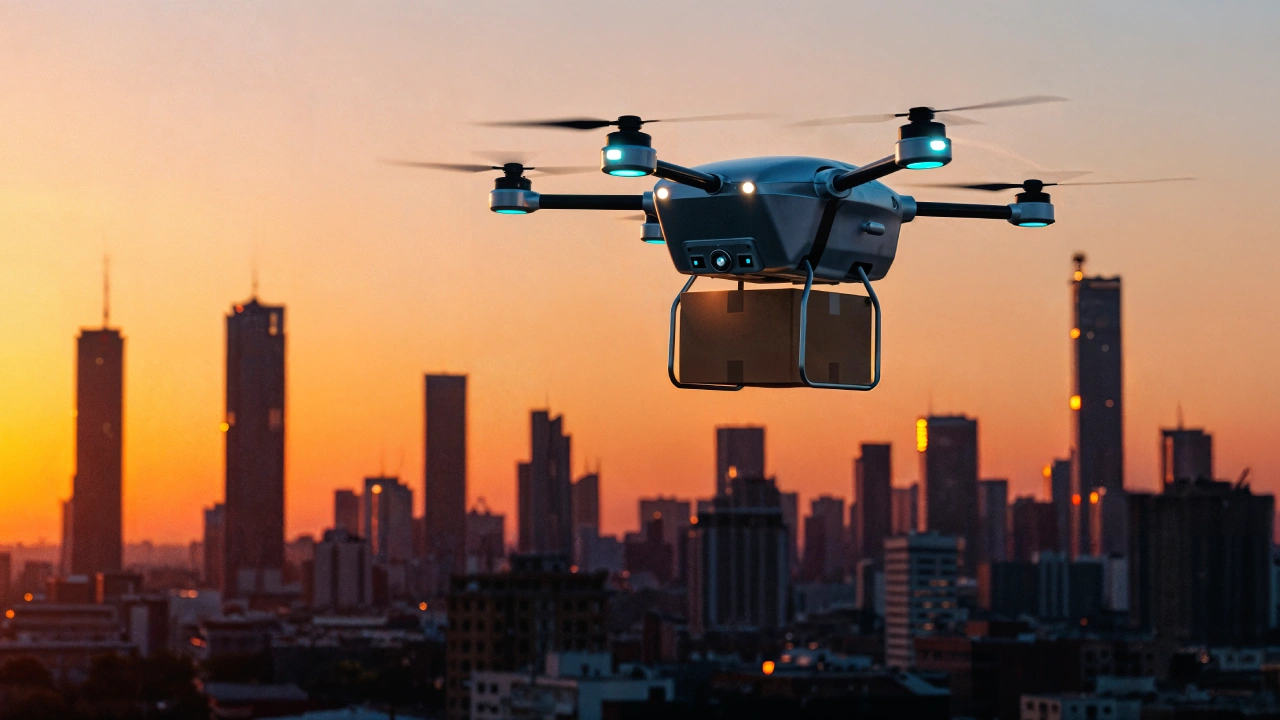
One critical aspect of working through these regulations involves securing the essential waivers for operations that stray from standard rules, such as night operations and operations over people. Pilots must understand the process for obtaining waivers and prepare accurate documentation to enhance their chances of approval. This necessitates a comprehensive understanding of safety measures and risk management strategies, as the FAA evaluates each application based on the inherent risks involved in such operations.
Further complicating the challenges, when operating in airspace with regulations, drone pilots must utilize the Low Altitude Authorization and Notification Capability (LAANC) system. This system facilitates the process of acquiring airspace authorization and provides pilots with an instant understanding of where they can use their drones within regulations. By leveraging LAANC, pilots can efficiently navigate airspace classifications and avoid possible regulatory issues while preparing their flights.
Comprehending UAV Technology and Upkeep
The advancement of UAV technology has significantly enhanced the abilities of drone pilots, making them adaptable tools for multiple purposes. From plotting and surveying to real estate photography and assessing work, comprehending the technical details behind these units is crucial. Operators should educate themselves with the differences between physical and electronic shutters, especially when it comes to UAV plotting, as this knowledge can substantially influence image clarity and the overall efficiency of photogrammetry operations.
Appropriate maintenance of drones ensures durability and reliability, which is important for any commercial activity. Regular inspections of the unmanned aerial vehicle's propellers and motors can prevent issues like jittering or failure during flight. Additionally, fixing camera sensors and gimbal bearings is essential for capturing high-quality photos and video. Operators also need to be mindful of how surrounding conditions, such as high winds and low temperatures, can influence flight times, which reinforces the importance of frequent check-ups and maintenance.
Power management is another vital aspect of drone maintenance. Knowing what counts as reasonable battery degradation can help pilots determine when it's time to retire lipos and ensure safe flights. Knowing the payload weight's effect on battery life and center of gravity can stop mishaps during operations. Above Drone Pilots Cawdor Inverness-shire , the ability for potential problems, such as resolving ESC errors or dealing with a UAV that drops video downlink signal, is as significant as pre-flight checks and maintenance, highlighting the necessity for comprehensive operational knowledge.
Professional Drone Operations and Flight Preparation
Proper flight planning is the cornerstone of successful business drone operations. Drone Pilots Snizort Inverness-shire must not only understand their tools but also maneuver through intricate regulatory environments. This includes obtaining essential waivers under FAA Part 107 for operations such as evening flying and flying over people. Additionally, clear communication and thorough documentation are essential for responsibly conducting flights in controlled airspace, particularly when utilizing the low-altitude authorization system. Acquaintance with these processes helps reduce risks and ensures compliance with federal regulations.
The particulars of a official flight log play a vital role during commercial insurance audits. Maintaining a detailed log exhibits due diligence and operational integrity, which is critical for drone insurance assessors assessing a business liability insurance policy. Logs should include flight time, location, pilot notes, and any anomalies encountered during flight. By keeping detailed records, operators can protect themselves against likely liabilities while also showing their skill to clients and insurance providers.
Furthermore, understanding the impact of environmental factors on flight performance is key for drone pilots. Drone Pilots Inverness Inverness-shire of how elevated winds and low temperatures affect battery life can influence when and where to fly, thereby improving operational efficiency. Pilots must also be skilled at using tools such as ND filters to boost their image quality while preventing issues like the jello effect in video footage. Ongoing education in both technical skills and regulatory knowledge ensures that drone pilots can carry out their commercial tasks effectively and efficiently.