

The world of drone piloting offers exciting prospects for innovation and innovation, whether you're considering becoming a professional drone operator or just seeking to improve your flying skills. With the industry's ongoing evolution, comprehending the multiple rules, advancements, and best practices is essential for both ensuring compliance and achievement. This guide aims to equip future drone operators with the knowledge they must have to manage the complexities of drone operation, from securing essential permissions to ensuring secure flying practices.
In this detailed document, we will investigate crucial subjects that every aspiring drone operator should understand. We will delve into the fine points of aviation regulations, the complexities of flight planning, and the technical aspects that can significantly impact your drone operations. Whether you are interested in drone photography, surveying, or heat imaging, grasping these fundamentals will help you establish a solid foundation for a successful drone career. Let us embark on the key principles of being a skilled and knowledgeable drone operator.
Understanding FAA Regulations and Operations in aviation
Understanding the FAA's rules is key to aspiring drone pilots looking to fly safely & in a safe manner in U.S. sky. The FAA Part 107 rules control commercial drone operations & define the certifications needed for certification, limits on operations, along with waivers. For instance, drone pilots seeking to operate during nighttime or populated areas need to obtain waivers, which requires a firm grasp of safety measures and risk mitigation strategies. The pathway can be complicated, but maintaining a comprehensive understanding of these rules could improve your operational capabilities while also widen your business potential.
Moreover, drone operators must be acquainted with the necessary paperwork needed to navigate regulated airspace. Using the LAANC system simplifies this procedure, allowing drone operators to receive real-time approvals. Drone Pilots Barra Inverness-shire ensures that you are in compliance with airspace restrictions during planning your your flights. Knowing how to use the portal of LAANC is essential for staying clear of fines and disruptions to your missions.
A further critical aspect of safe drone operations includes keeping an eye of potential magnetic interference that can impact your drone's compass as well as Inertial Measurement Unit calibrations. UAV users should be alert in detecting locations where strong magnetic fields are strong, as this can cause navigational problems. Keeping your drone well-calibrated and understanding the principles related to compass behavior can assist mitigating these risks, guaranteeing your operations are as seamless & reliable as you can achieve.
Drone Technology and Performance Metrics Insights
Grasping the subtleties of drone tech is essential for budding operators looking to enhance their skills and knowledge. One key aspect is the difference between mechanical-type and electronic shutters in drone mapping. Mechanical curtains, located in top-tier cameras, take images without the rolling shutter effect, yielding clearer photographs during high-speed flights. In comparison, electronic-type curtains may cause distortions, particularly when capturing quick subjects or during rapid maneuvers. Knowing when to utilize each shutter type can greatly enhance the quality of drone photographs.
Another noteworthy factor is how magnetic disruption can impact your UAV's navigation system and inertial measurement unit calibrations. original site must be aware that magnetic influences from nearby structures, power lines, or even certain types of machinery can lead to inaccurate readings, which in turn affects flight safety and navigation. Regular calibration checks and understanding how to spot signs of interference can help ensure that your UAV remains steady and responsive, maintaining precise flight routes and positioning.
Battery management is also critical to drone performance. Pilots should keep track of battery degradation, as certain levels of wear can lead to reduced flight times and unsafe conditions. Understanding the acceptable limits of LiPo battery condition before decommission is essential for ensuring operational efficacy. UAVs carrying larger payloads or operating in challenging conditions should be afforded extra attention regarding power source performance, as these factors can directly influence the overall flight operation and security of flights.
Optimal Recommendations for Business UAV Operation
To ensure safe and effective operations, aspiring commercial drone pilots must emphasize comprehensive pre-flight planning. This includes comprehending the exact airspace regulations that apply to their flight location and obtaining the required waivers for night flights and operations over people. Knowledge with resources like the FAA’s LAANC system is crucial for accessing controlled airspace, and maintaining compliance with all formal requirements can considerably enhance the pilot’s credibility and operational safety.
Another key aspect of professional drone piloting is strict following to maintenance protocols. Regular checks and cleaning of drone components, including the camera sensors and gimbal bearings, help reduce operational malfunctions. Pilots should also conduct consistent inspections of battery health and replacement to ensure peak performance. Developing a structured flight log that records flight times, conditions, and any technical issues not only assists in operational efficiency but is also helpful for commercial insurance audits.
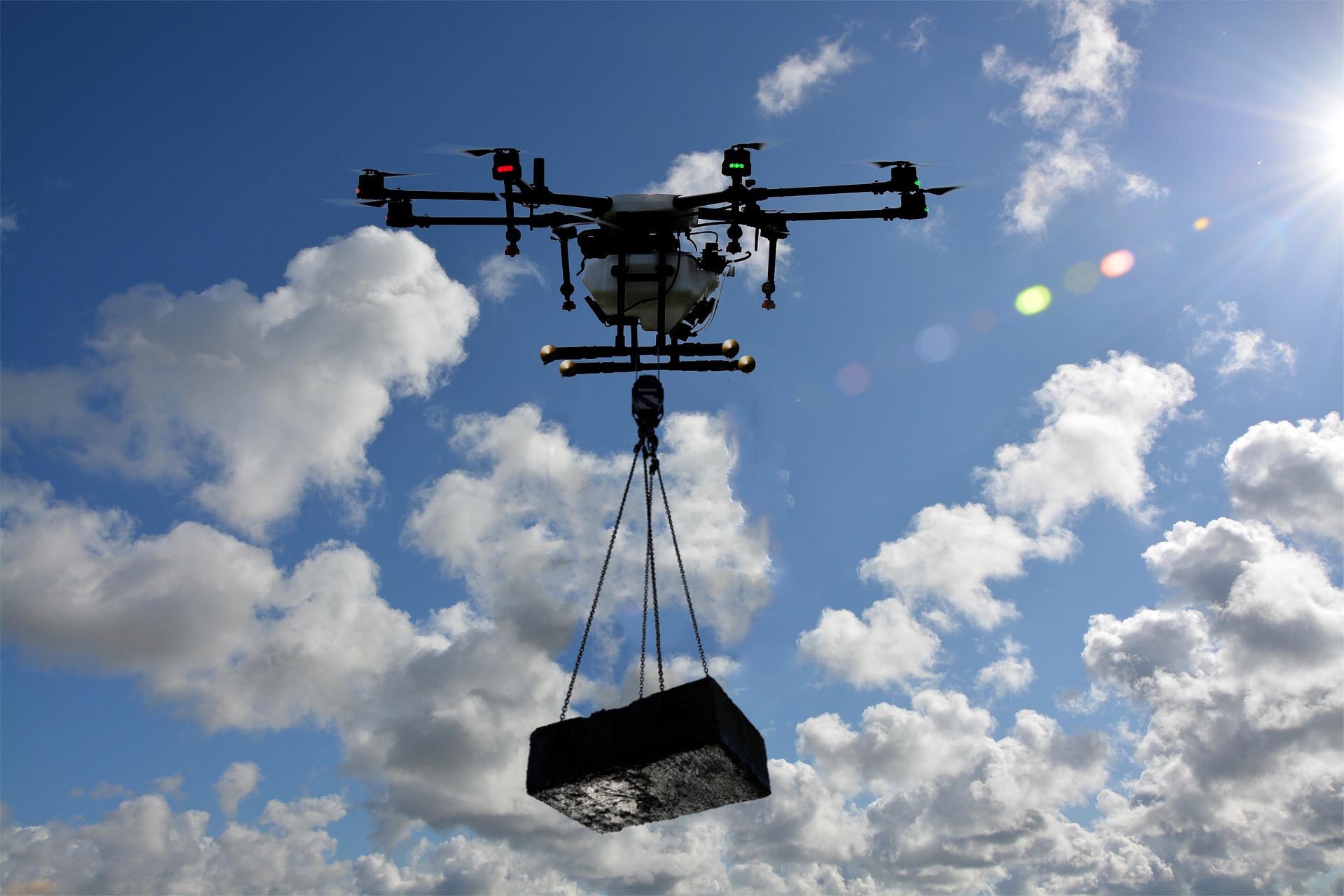
Finally, becoming proficient in the technical aspects of drone technology can set pilots apart in a saturated field. Understanding how different drone types, such as octocopters and quadcopters, affect mapping accuracy and how factors like battery weight impact flight stability is important. Moreover, effective communication with visual observers to maintain line of sight and using real-time telemetry data for monitoring helps avoid accidents. By integrating these best practices, drone pilots can enhance their operational capabilities and ensure they are equipped for potential challenges in commercial flying.