

Unmanned aerial vehicles have come a long way from being just a hobbyist's toy to an essential tool across various industries. As the demand for skilled drone pilots continues to grow, many are looking to transform their passion for flying into a profitable career. From aerial photography and surveying to inspections and mapping, the opportunities are immense for those who are ready to take their skills to the next level. However, breaking into this field requires more than just flying experience; it demands knowledge of laws, an understanding of the underlying technology, and the ability to navigate the complexities of commercial operations.
In this guide, we will explore key aspects of becoming a proficient drone pilot, focusing on the essential skills and knowledge needed to succeed in a competitive market. We will discuss important FAA regulations such as Part 107 waivers, delve into the mechanical details of drone calibration and maintenance, and highlight best practices for managing operations in various environments. By preparing yourself with these insights, you will be well-prepared to not only enter the industry but excel within it.
Comprehending FAA Regulations and Waivers
To be a competent UAV operator, it is important to comprehend the Federal Aviation Administration (FAA) regulations that oversee drone operations in the USA. The FAA Part 107 regulations detail the guidelines for part 107 operators, including weight limits, altitude restrictions, and operational procedures. Familiarity with these rules is vital, as non-compliance can result in substantial fines and the revocation of your operational authorizations. Knowing what is permissible and what requires special authorization will help you manage your path as a career UAV operator.
One of the important elements of operating under FAA regulations is obtaining waivers for certain flight conditions, such as night operations or operations over people. For case in point, night flights requires a permit that proves you can operate safely in challenging visibility. Understanding the waiver application process involves demonstrating a comprehensive risk evaluation and the implementation of appropriate safety protocols. It is important to create files that clearly outlines your proposed operations and rationales for your applications.
Furthermore, managing controlled airspace is another important responsibility that often calls for extra approvals. Utilizing the LAANC system can simplify this process. By understanding the specific documentation required to enter regulated airspace through LAANC, you can ensure compliance and avoid delays. Mastering these regulatory components will solidify your status as a knowledgeable drone pilot, paving the way for more complex flying scenarios.
Essential Techniques for Professional Drone Piloting
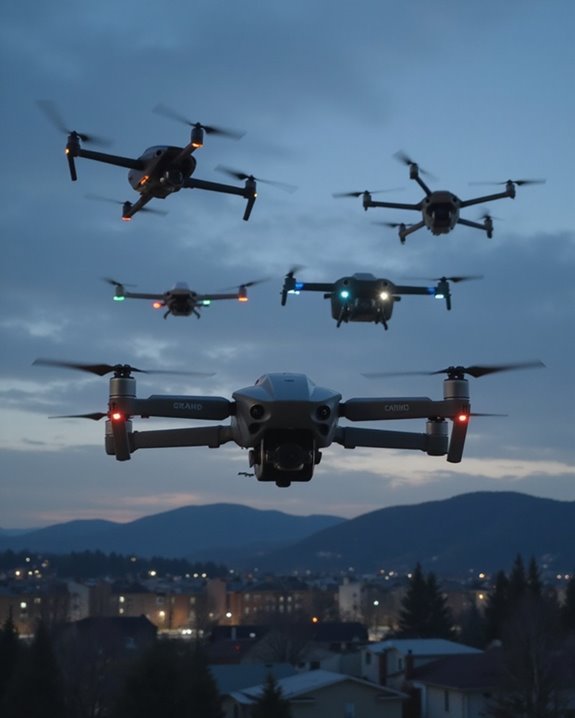
To excel as a licensed drone pilot, comprehending and navigating FAA regulations is vital. This covers mastering the requirements for Part 107 approvals, especially for night operations and flying over individuals. https://staal-schwartz-4.technetbloggers.de/licensed-to-fly-the-road-to-getting-a-licensed-drone-operator must keep current on regulatory requirements, ensure proper paperwork, and use resources like the LAANC system to efficiently navigate through controlled airspace. This knowledge facilitates adherence, seamless operational workflows, and improved safety during missions.
In addition, operational skills such as adjusting the drone’s compass and Inertial Measurement Unit (IMU) are critical for accurate flying. Drone Pilots Cawdor Inverness-shire should be cognizant of potential magnetic interference that can disrupt compass functionality, leading to pilot mistakes. Incorporating routine sensor maintenance and handling recalibrations proactively can mitigate risks and ensure flight integrity, thereby enhancing the quality of aerial data collection.
Lastly, keeping thorough flight logs is vital for both operational analysis and compliance with professional insurance audits. A clearly organized flight log should document flight times, locations, weather conditions, and any events encountered. This meticulous record-keeping not only backs insurance claims but also provides valuable insights for enhancing pilot performance and flight strategies in upcoming operations.
### Best Practices for Drone Pilots in Safety and Maintenance
For safe operations, drone pilots must conduct a systematic inspection process before each flight. This involves examining for any physical damage to the drone, security of all screws and components, and the condition of propellers. Additionally, confirming that batteries are adequately charged and free from bulging or ruptures is vital. Pilots should also ensure that camera sensors and gimbal bearings are free of debris to maintain peak performance. Creating a pre-flight checklist can help streamline these inspections and minimize safety.
Regular maintenance practices prolong the lifespan of drone equipment and contribute to safe flying. This includes periodic firmware updates to keep the drone's software|system functioning correctly and addressing any security issues. Battery maintenance is also crucial; tracking battery health and following recommended storage practices can avoid accidents. Managing LiPo batteries with care and retiring those that show significant deterioration will reduce the risk of in-flight failures and other safety hazards.
In alongside routine checks and maintenance, pilots should prioritize safety training and acquaint themselves with their drone's operation limits. Understanding how factors like high winds, cold temperatures, and electromagnetic interference can impact flight performance prepares pilots for sound decision-making in adverse conditions. Maintaining a clear understanding of airspace types and restrictions is just as important, as it ensures compliance with regulations and promotes safe operations in crowded areas.